




People
|
|---|
Graduate Students:
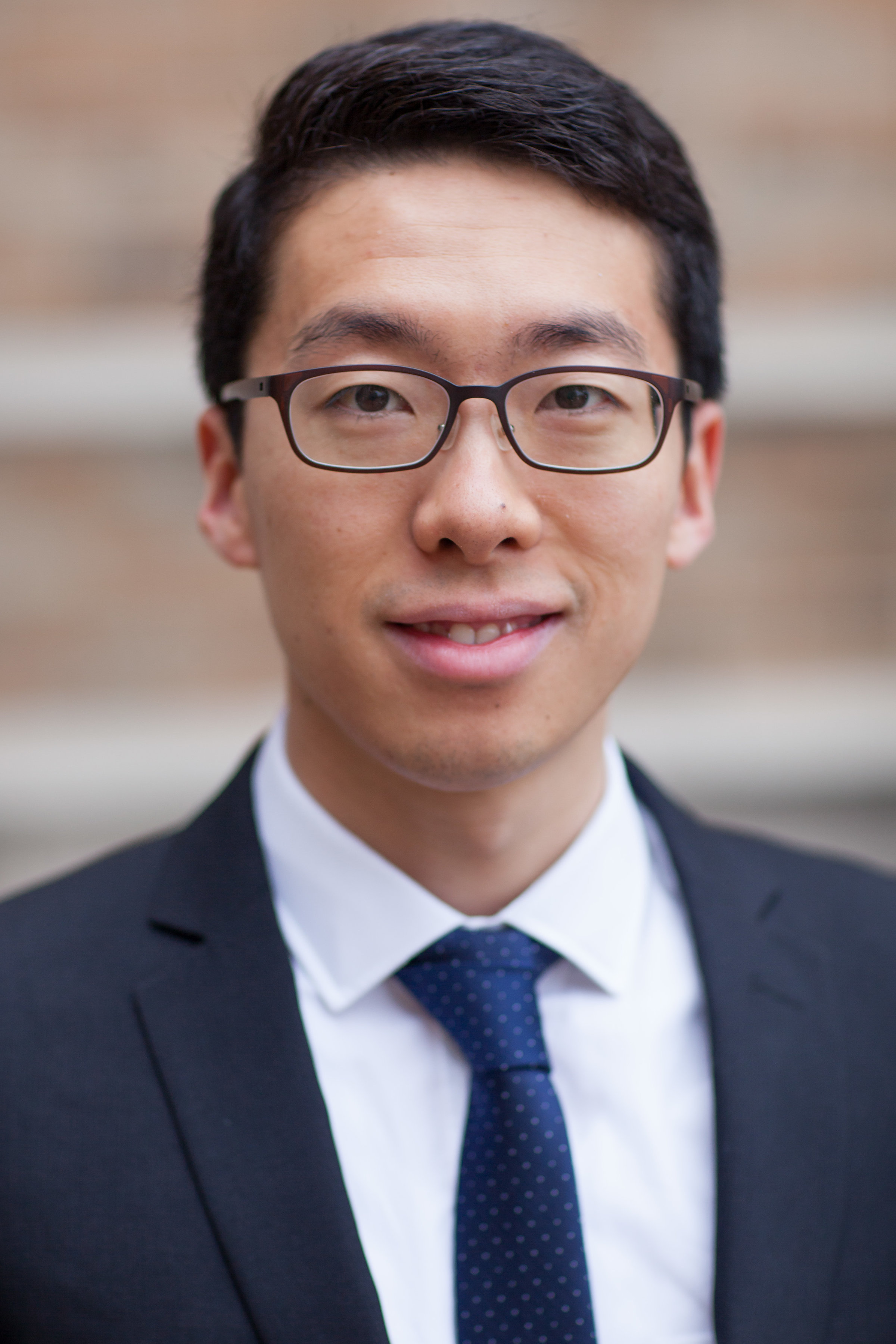 Yiyuan Li (Ph.D. Candidate)
I received a Bachelor of Biomedical Engineering from Southeast University in Nanjing. After graduation, I spent two years in Beijing Genomics Institute (BGI) as a bioinformatician working on metabarcoding of insect communities. I joined the Pfrender Lab in 2013. I am interested in understanding ecology and evolution with sequencing and bioinformatics. Specifically, I am working on bioinformatics approaches to monitor endangered/invasive species with environmental DNA (eDNA), and understanding the evolution of gene families in insect lineages with RNA-seq data.
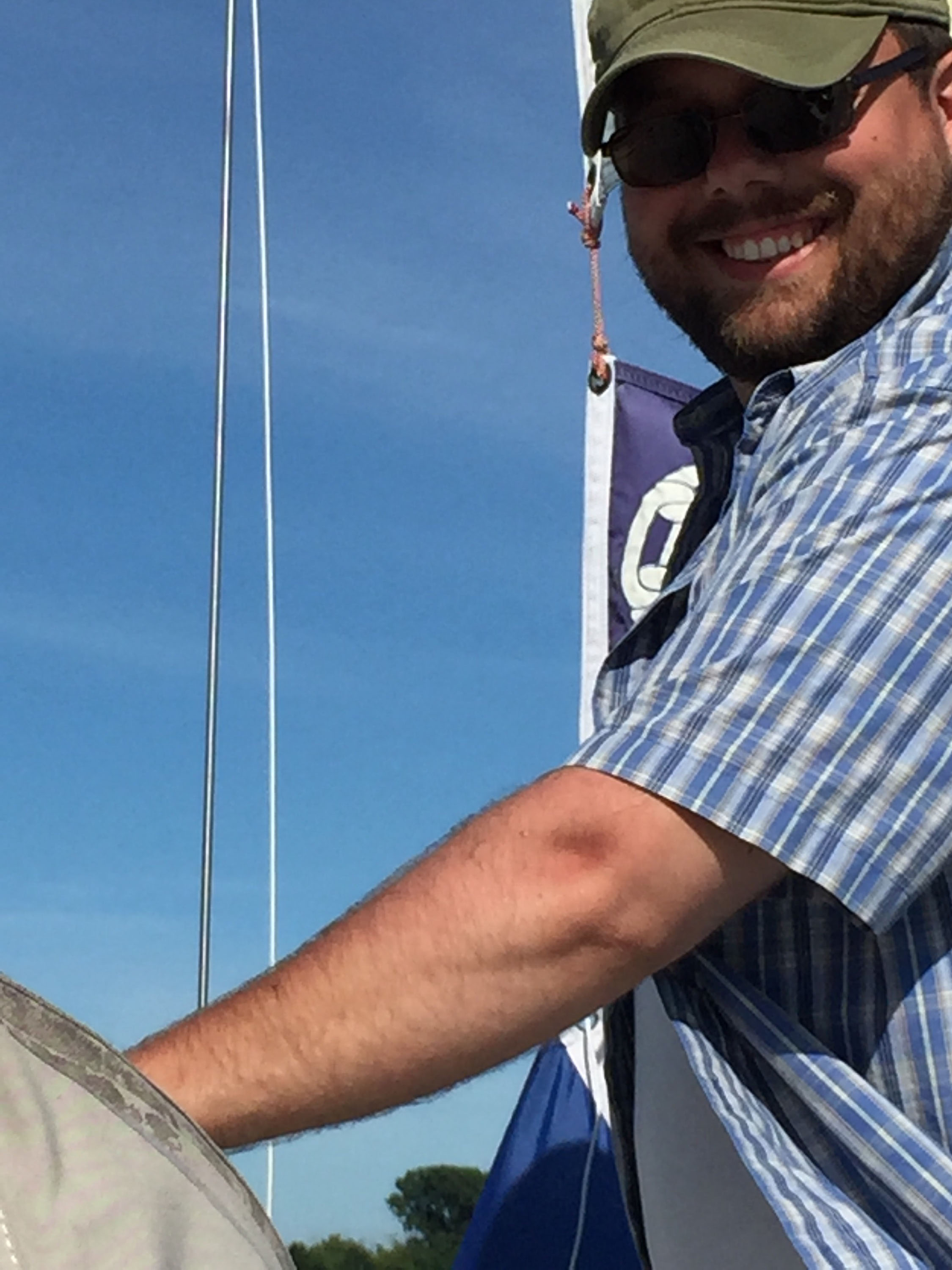 David Molik (Ph.D. Student)
I study alignment-free methods in metagenomic analysis; which allows me to look at the interplay between the environment and local communities. I also work on the surveillance and detection of rare species in metagenomics analysis. I'm co-advised by Scott Emrich (Dept. Computer Science Engineering). In my free time, I enjoy shooting Skeet, Sailing, and drinking Coffee.
Previous Students & Postdocs- Where are they now?
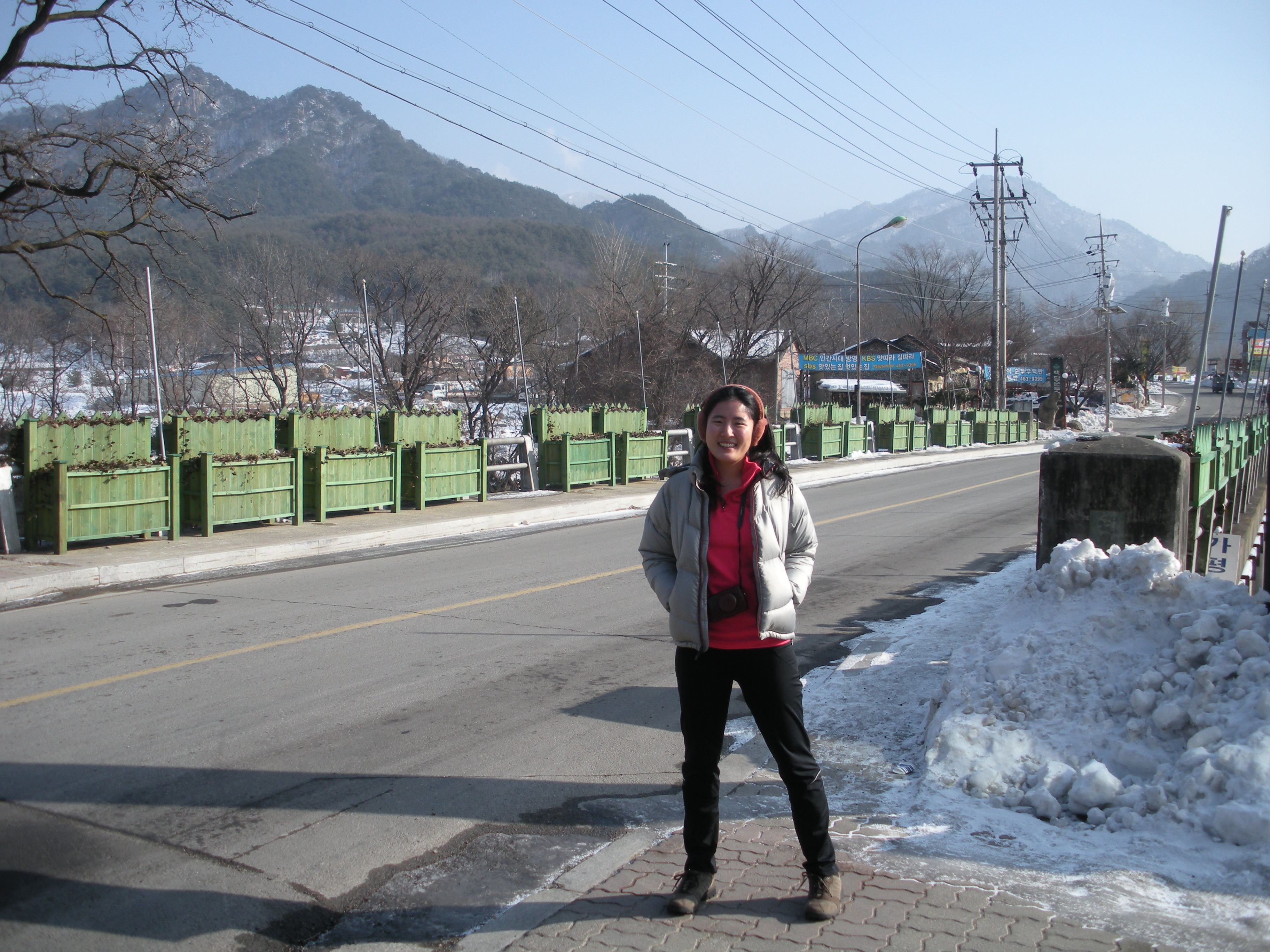 Jihyun Won (Graduate Student, Ph.D. 2016)
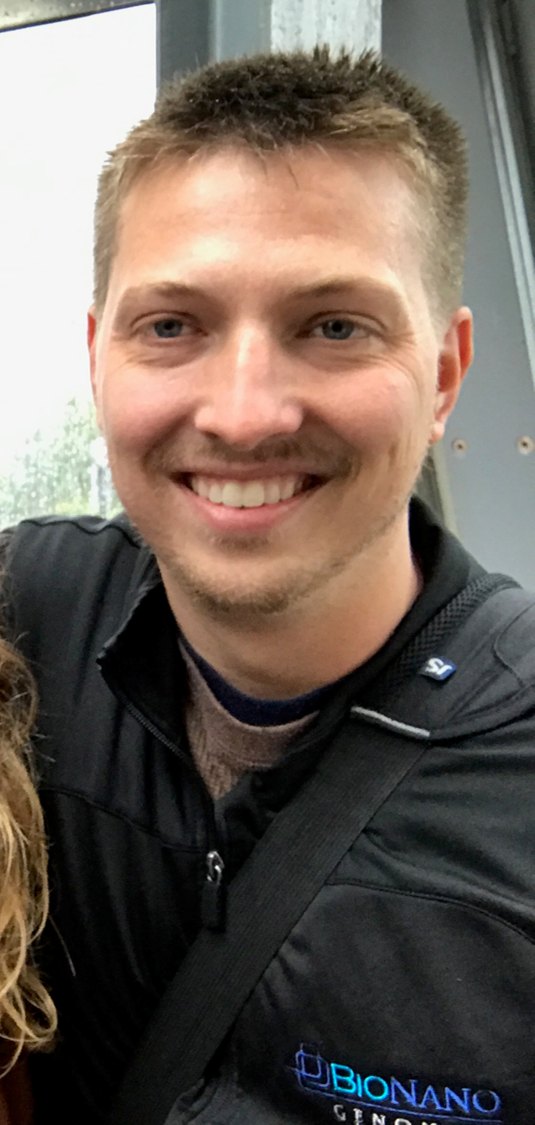 Ben Clifford (Graduate Student, Ph.D. 2016)
Ben Clifford, Ph.D.
Field Application Scientist
Bionano Genomics, Inc.
bclifford@bionanogenomics.com
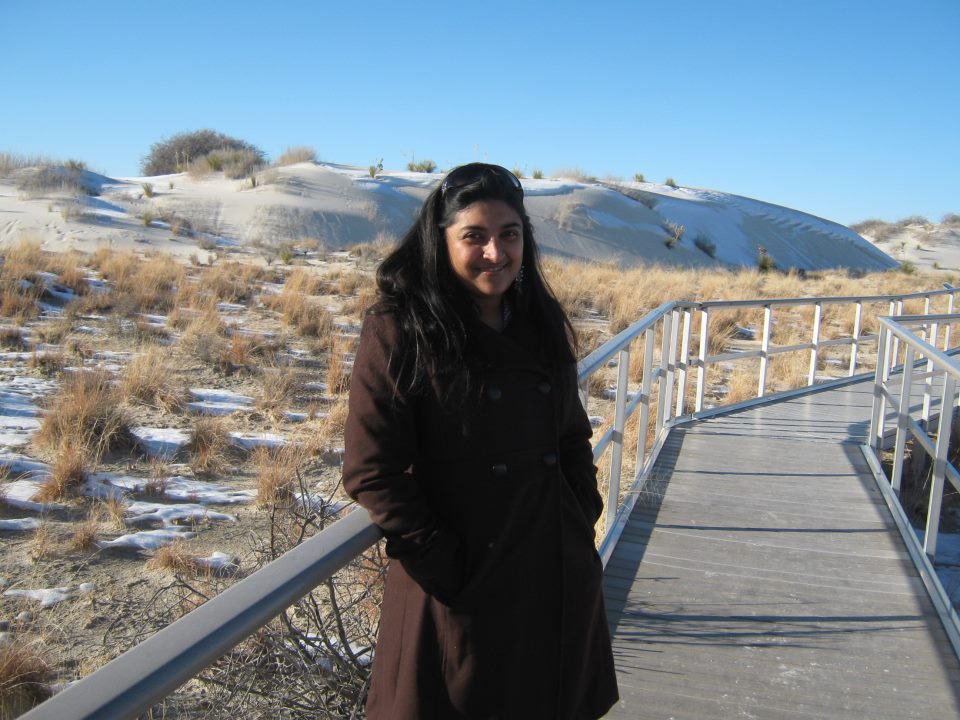 Sayanty Roy (Graduate Student, Ph.D. 2016)
Sayanty Roy
Laboratory Manager, Gulati Lab
Division of Pediatric Gastroenterology
School of Medicine
University of North Carolina, Chapel Hill, NC
sayanty@gmail.com
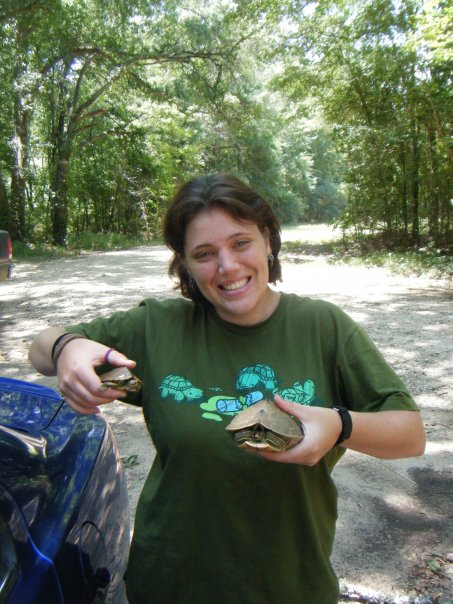 Sheri Sanders (Graduate Student, Ph.D. 2016)
Sheri Sanders
Bioinformatic Analyst
ss93@iu.edu
National Center for Genome Analysis and Support (NCGAS)
NCGAS is part of the Research Technologies division of UITS; Research Technologies is a PTI Cyberinfrastructure & Service Center.
Leigh Latta (Ph.D. 2010)
Cory Vorel (Ph.D. 2009)
Eric O'Neill (Ph.D. 2009)
Megan Kanaga (Ph.D. 2009)
 Chris Feldman (Graduate Student, Ph.D. 2008)
Chris Feldman, Assistant Professor
Department of Biology
University of Nevada, Reno
ophis@unr.edu
 Alison Scoville (Graduate Student, Ph.D. 2008)
Alison Scoville, Associate Professor
Department of Biology
Central Washington University
scoville@cwu.edu
Allen Spaulding (Ph.D. 2007)
Debra Fisk (M.S. 2006)